Slovenia in 2026: Why Lake Bled and Ljubljana Beat Italy for a July Trip
Lake Bled, Ljubljana, and the Soca Valley give you alpine cool, half the crowds of Italy, and hotels from $76 a night.

Slovenia is what Italy used to feel like
Italy in July is hot. Crowded. Expensive. Hotels in Florence and Rome that cost â¬120 in May cost â¬280 in mid-summer, and the Uffizi line stretches around the block by 9 a.m. Across a single border, Slovenia sits in shoulder weather all summer long. Lake Bled hovers around 75°F. Ljubljana feels like a smaller Prague, with cleaner streets and better coffee. Hotels start at $76 a night and the fanciest spa property on the lake costs less than a mid-range Tuscan agriturismo.
We've been watching the search data and the booking patterns for the last three months. Slovenia is one of a handful of "cool belt" destinations Google flagged this year as travelers actively avoid the Mediterranean heat. The country is small, easy to drive across in a day, and English is spoken almost everywhere. If you're trying to do Europe in summer 2026 without sweating through your shirt or fighting for a table, this is the trip.

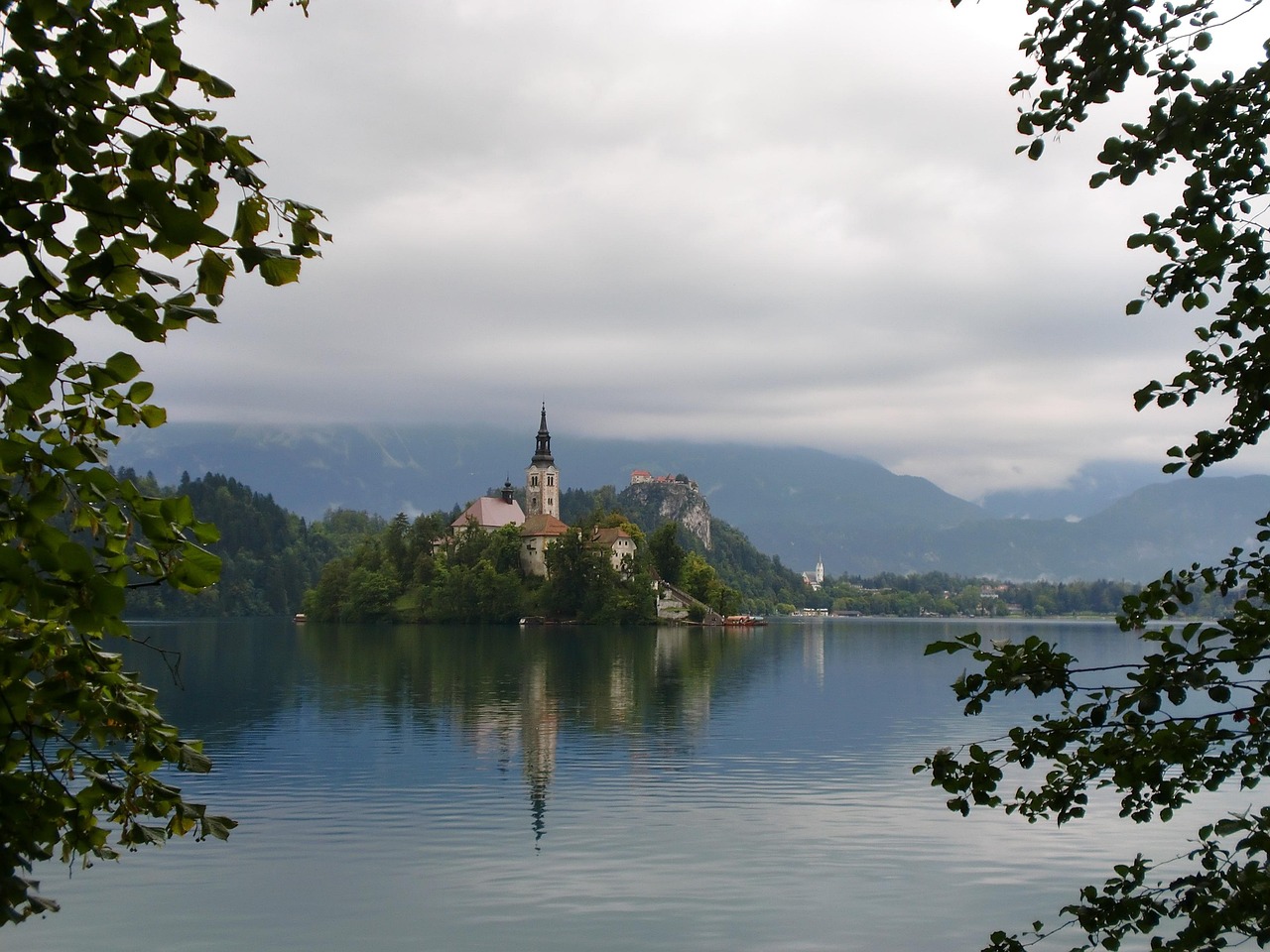
Lake Bled is the postcard. The town next to it is the actual stay.
The lake is genuinely beautiful. There's a tiny island in the middle with a 17th-century church, a cliffside castle on the north shore, and a 4-mile walking path around the water that takes about 90 minutes if you stop for cake. Bled cream cake, called kremna rezina, was invented at Hotel Park in 1953 and is still served there. It's worth the detour.
The town itself is small. You can walk it in 20 minutes. Most travelers stay in hotels with lake views and pay for the privilege. Grand Hotel Toplice, the historic property, runs $250 to $350 a night in July. Hotel Park, where the cake was born, costs $140 to $190 with a lake-facing room. If you're willing to walk five minutes, Vila Alpina starts at $91, and Ribno Alpine Hotel starts at $127 with a pool and forest setting.
The mistake most travelers make is staying only in Bled. Two nights is plenty. After that, the town gets repetitive. The better play is to use Bled as a base for one direction and Ljubljana for the other.
Ljubljana is small, walkable, and the food is better than people expect
The capital has 280,000 people. The old town is car-free. The river runs through the middle and you can sit at outdoor cafes for hours without feeling rushed. Hotels in central Ljubljana run $90 to $180 a night for a mid-range room, and a great dinner at Monstera or JB costs â¬60 a head with wine. That's about half what you'd pay in Vienna or a third of Venice.
The places worth your time:
Ljubljana Castle sits on a hill above the old town. The funicular costs â¬4 round-trip and the view is the cleanest panorama of the city. Skip the museum inside. Just walk the ramparts.
The Central Market on Saturday morning is the best food shopping in the country. Local cheese, dried meat, fresh berries, and Slovenian wine you can't find in U.S. import shops. Bring a tote bag.
Metelkova is the converted military base turned arts district. By day it's covered in graffiti and feels abandoned. After 10 p.m. the bars open and it becomes the loudest, weirdest scene in the city. Worth one late night if you have the energy.

Beyond Bled and Ljubljana, the SoÄa Valley is the actual surprise
An hour and a half west of Ljubljana, the SoÄa River runs turquoise through the Julian Alps. The water is glacier-fed and stays cold all summer, which is exactly the point. Towns like Bovec and Kobarid sit along the river. You can raft, swim, hike to the Boka waterfall, or just rent a car and drive the VrÅ¡iÄ Pass with its 50 hairpin turns.
Hotels in the SoÄa Valley are smaller and more rustic than Bled. Hotel Hvala in Kobarid runs $130 to $170 a night. Family-run guesthouses go for $60 to $90. The food is excellent. The HiÅ¡a Franko restaurant in Kobarid, run by chef Ana RoÅ¡, holds two Michelin stars and has a tasting menu for â¬230. That's the splurge. For everyday eating, look for places serving frika, a potato-and-cheese skillet that's the regional comfort food.
How to actually plan the trip
Five to seven days is the sweet spot. Any less and you're rushing. Any more and you've seen the country. A solid itinerary looks like this:
Days 1 to 2 in Ljubljana. Walk the old town, eat at the market, do a day trip to Postojna Cave or the Predjama Castle if you want one big tourist hit.
Days 3 to 4 in Bled or the Bohinj area. Bohinj is the bigger lake 30 minutes from Bled, less crowded, and arguably more beautiful. We'd actually pick Bohinj over Bled if you have to choose.
Days 5 to 7 in the SoÄa Valley. Drive yourself. The roads are good and a rental car runs about â¬40 a day.
Fly into Ljubljana directly or into Venice and drive over (about 3 hours). Venice flights are usually cheaper.
What it actually costs
A 7-day Slovenia trip in July 2026 for two people, mid-range, looks like this:
Hotels (6 nights, mix of cities and SoÄa Valley): $750 to $1,100
Rental car for a week: $280
Food and drinks (â¬60-80/day for two): $500 to $650
Activities (rafting, castle entries, train rides): $200
Total: $1,750 to $2,250
That's roughly half what the same trip costs in Italy or France in peak season. Book through Best and you get 10% cashback on hotels, which on a $900 stay is $90 back. Worth running the math.
Frequently asked questions
Is Slovenia expensive in summer? Cheaper than Italy, Switzerland, or Austria. Hotels start around $80 a night. A nice dinner runs $25 to $40 per person. Most travelers spend $150 to $250 per day for two people excluding lodging.
Is Slovenia safe for solo travelers? One of the safest countries in Europe. Low crime, walkable cities, English widely spoken. A common pick for first-time solo travelers.
How many days do you need in Slovenia? Five to seven is ideal. You can see Ljubljana, Lake Bled, and the SoÄa Valley with that timeframe. Three days is enough for just the capital and the lake.
Is it better to stay in Bled or Bohinj? Bohinj is quieter, less developed, and arguably more beautiful. Bled has more hotel choice and easier dining. If it's your first trip, Bled. If you've been before, Bohinj.
What's the best time to visit Slovenia? Late May through mid-July, then September. July and August are peak but still much less crowded than Italian or Croatian destinations. Winter is also great for skiing in the Julian Alps.
Images: Lake Bled island and church via Pixabay (artist: KIMDAEJEUNG). Ljubljana old town via Pexels (artist: Ganapathy Kumar). SoÄa Valley alpine river via Pixabay (artist: Hans). All used under their respective free-use licenses.