Why Sold Out Hotels Get Rooms Back 30 Days Before Your Trip
A hotel that shows sold out four months early usually is not. Group block cutoff dates return unclaimed rooms to sale 30 to 45 days before the date.
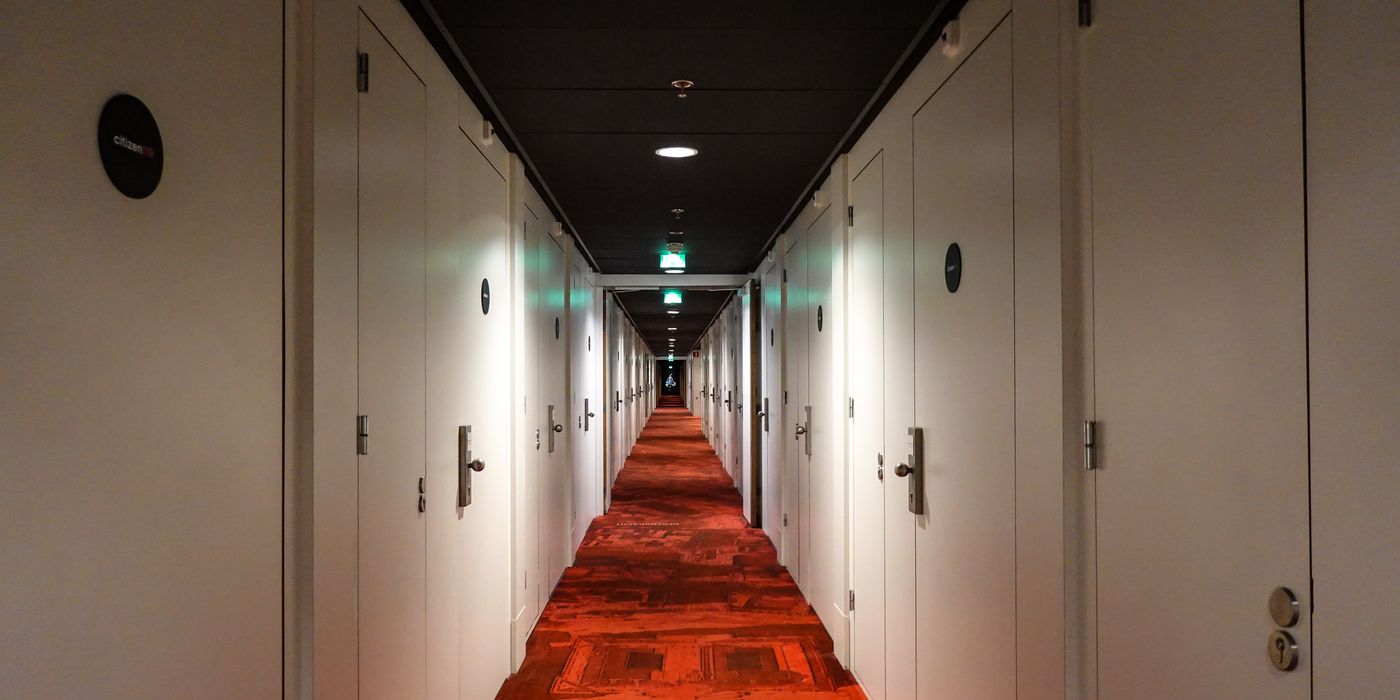
You check a hotel four months before a conference and every room is gone. You check the same hotel five weeks out and there are twelve rooms available. Nothing was cancelled. The hotel was never actually sold out.
What you were looking at was a room block. Understanding how blocks work is the single most useful thing a normal traveller can learn about hotel inventory, because it turns a large chunk of apparent sellouts into a scheduling problem rather than a dead end.
What a room block actually is
When an organisation runs an event, it negotiates a set of rooms at a fixed rate and holds them for attendees. A wedding might block 20 rooms. A trade association might block 800 across six properties. Those rooms come out of general inventory the moment the contract is signed, often a year or more before the date.
From the outside, blocked rooms are indistinguishable from sold rooms. The booking engine shows nothing available. The property looks full. In reality a meaningful share of those rooms have no guest attached to them and may never get one.
There are two kinds of block and the difference matters. A guaranteed block means the organiser is financially on the hook for the rooms. A courtesy block means the hotel is holding rooms as a favour with no financial commitment. Courtesy blocks release much more readily, and often earlier.
The cutoff date is the thing to know
Every block contract contains a cutoff date, typically 30 to 45 days before the event. On that date, any room in the block that has not been reserved by a named guest returns to general inventory and goes back on sale to the public.
This is not a loophole or an edge case. It is standard contract language across essentially the entire hotel industry, and it is the reason availability at event hotels behaves so strangely. Inventory is frozen for months, then a large slug of rooms reappears in a single day.
The practical version is simple. If a hotel shows sold out and your dates are more than 45 days away, that sellout has not been tested yet. Check again inside the 30 to 45 day window.

Why the returned rooms are usually more expensive
Here is the part that disappoints people. When rooms release back from a block, hotels are under no obligation to sell them at the negotiated group rate, and they routinely do not. Released inventory typically goes back on sale at whatever the current public rate is, which on a high demand event date is higher than the group rate was.
So the good news and the bad news arrive together. Rooms exist. They cost more than the people who booked early paid. This is rational from the hotel side. A room released 32 days before a sold out weekend is a scarce asset and gets priced like one.
The exception is when the release is large relative to demand. If an organiser blocked 300 rooms and picked up 140, the hotel is suddenly holding 160 unsold rooms on a date it had stopped marketing. That is when rates soften instead of rising, and it is the scenario worth watching for.
Attrition, and why organisers block too many rooms
Most hotel group contracts set an attrition threshold at 70% to 80% of the blocked rooms. If actual pickup falls below that line, the organiser pays the hotel for the shortfall. A group that blocks 200 rooms at an 80% threshold and fills 120 owes money on 40 rooms it never used.
You would think this makes organisers conservative. It frequently does the opposite. Event planners are judged on attendees who cannot find a room, not on quiet financial penalties settled months later, so blocks are routinely sized above realistic demand. Add the fact that many attendees book outside the block through other channels and the pickup gap widens further.
One detail that trips up even experienced planners. Attrition liability does not disappear when rooms release at the cutoff date. The hotel can resell those rooms and still hold the group to the contracted minimum. That combination is exactly why hotels are relaxed about block sizes.
What this means for a normal traveller
Four rules follow from all of this.
Treat a sellout more than 45 days out as provisional. Especially in a city hosting a known event. The inventory is committed, not consumed.
Set a reminder for 30 days out. That is the window where cutoff releases land. Checking once at 45 days and once at 30 days catches the majority of them.
Watch for the big release, not the small one. A hotel going from zero rooms to two rooms is noise. Going from zero to fifteen means a block collapsed, and that is when rates move in your favour.
Book something refundable first. The correct play on an event weekend is to hold a flexible room somewhere acceptable, then check the target hotel at the 30 day mark. You lose nothing if the release does not come.

The other reasons a hotel looks sold out when it is not
Blocks are the biggest cause, but not the only one.
- Closed rate categories. Revenue management systems shut off specific rate plans rather than the property. A hotel can show nothing available on one channel while rooms exist on another because a rate bucket, not the hotel, is closed.
- Channel allocation. Properties allocate slices of inventory to different distribution channels. Exhausting one channel does not mean the hotel is full.
- Out of order rooms. Maintenance holds rooms out of inventory. Those come back when the work finishes, which is often sooner than scheduled.
- Minimum stay restrictions. A two night minimum on a busy Saturday makes a one night search return nothing at all. Searching two nights sometimes reveals a property that appeared full.
That last one is worth trying before you give up on a property. Change the date range by a night in either direction and a surprising number of sellouts resolve themselves.
Questions we get about hotel room blocks
What is a hotel room block cutoff date? It is the deadline in a group contract, usually 30 to 45 days before the event, after which unbooked rooms in the block return to general inventory and go back on public sale.
Do hotels release unsold group rooms back to the public? Yes. On the cutoff date any room in the block without a named reservation returns to general inventory. It is typically resold at the current public rate rather than the negotiated group rate.
Why does a sold out hotel suddenly have rooms available? The most common reason is a group block cutoff. Rooms held for an event but never claimed return to sale in a single batch, usually 30 to 45 days before the date.
What is hotel attrition? Attrition is the clause setting a minimum pickup percentage on a room block, usually 70% to 80%. If the group books fewer rooms than that, it pays the hotel for the shortfall even if the hotel resells those rooms.
Is it better to book inside a group block or on my own? Book inside the block if the negotiated rate is competitive, since group rates are locked well in advance. Compare it against public rates first, because event blocks are not automatically cheaper.
Images: Hero corridor by Magda Ehlers and hotel room via Pexels. Event hall via Pixabay. All used under license.