US Hotel Rates Hit 18 Weeks of Gains. The Average Lies
National hotel ADR rose 3.5% in mid-August 2026. San Diego rose 12.6%. Here is where US hotel rates actually moved, and how to book against it.
The national number said hotel rates went up 3.5% last week. San Diego went up 12.6%. That gap is the whole story.
US hotels just posted their 18th consecutive week of year over year gains. For the week ending August 15, 2026, occupancy hit 68%, average daily rate reached $163.56, and RevPAR climbed 6.2% to $111.29. Steady, unremarkable growth if you only read the headline.
We pulled the market level data underneath it. The averages are hiding a spread of nearly ten percentage points between the cities where rates barely moved and the cities where they ran away.
What an 18 week streak actually means
A streak like this gets reported as strength. It is more accurately described as pricing power without much new demand. Occupancy rose 2.6% year over year. ADR rose 3.5%. Roughly 57% of the RevPAR gain came from charging more, not from filling more rooms.
That distinction matters if you are booking a trip. Demand driven price increases tend to be broad and sticky. Rate driven increases are concentrated in specific markets and specific weeks, which means they are avoidable if you know where they are.
STR and Tourism Economics now forecast full year 2026 US RevPAR growth of 4.4%, built on 1.7% demand growth and 3.1% ADR growth. Read that again as a traveler. Hotels expect to sell slightly more rooms and charge noticeably more for them.

San Diego is the outlier, and it is a rate story
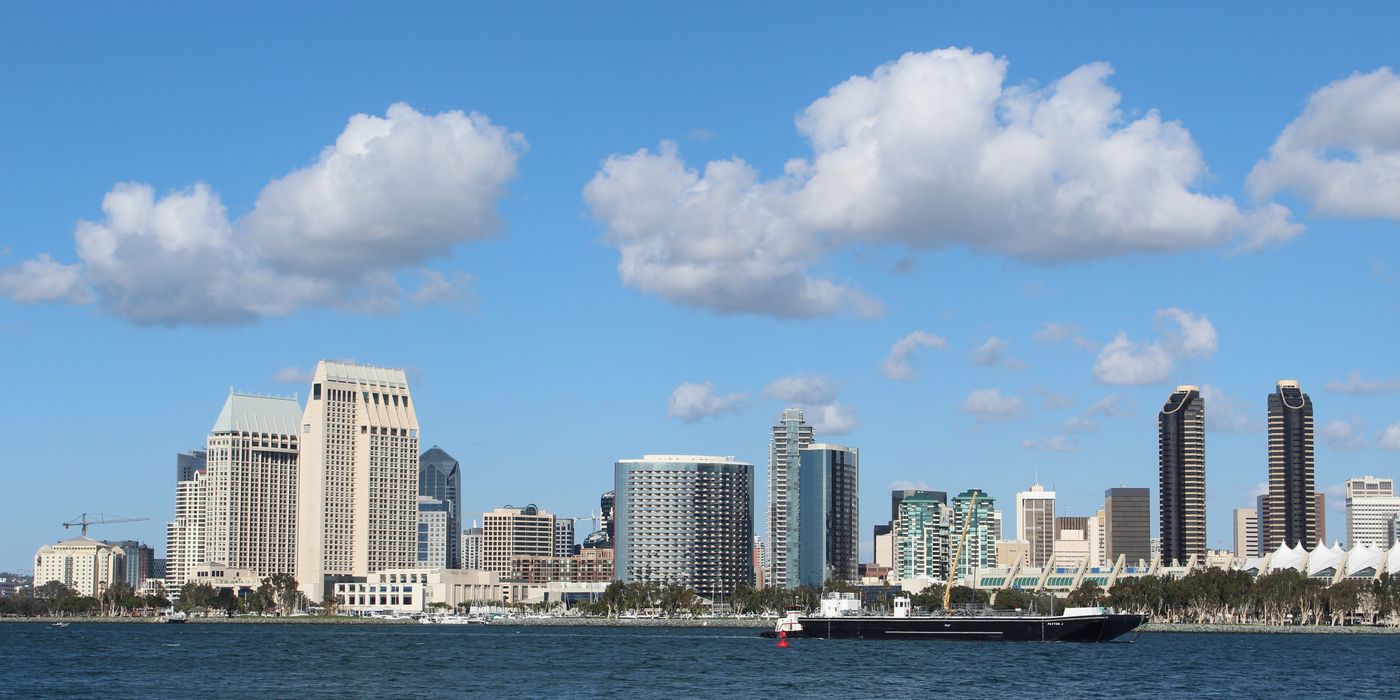
San Diego recorded the largest ADR and RevPAR increases of any top 25 US market for the week ending August 15, 2026. ADR rose 12.6% to $249.71. RevPAR rose 22.8% to $201.10.
Those two numbers together tell you something specific. RevPAR grew almost twice as fast as ADR, which means occupancy climbed too. San Diego did not just raise prices into thin air. It filled rooms and raised prices at the same time, which is the hardest thing for a hotel market to do and the worst possible combination for a traveler shopping late.
If San Diego is on your fall list, the practical read is that waiting will not help you. Markets with simultaneous occupancy and rate growth do not soften close in.
Tampa tells the opposite story
Tampa was the only top 25 market with a double digit occupancy increase, up 11.7% to 64.9%. Notice what is missing from that sentence. There is no matching rate spike.
Occupancy at 64.9% is still below the 68% national average. Tampa is filling rooms it could not fill last year, but it is doing it from a low base and it has not gained the pricing leverage that comes with running full. For anyone booking Tampa this fall, that combination usually means rates hold rather than climb.
The luxury and select-service gap widened again
The class level data is where the spread gets uncomfortable. Luxury chains are forecast for double digit RevPAR growth in both Q2 and Q3 of 2026, lifting full year luxury ADR growth to 5.9%. Select-service properties are tracking to finish 2026 around 3.6% RevPAR growth with ADR up roughly 2.5%.
| Segment | 2026 ADR growth | 2026 RevPAR growth |
|---|---|---|
| Luxury chains | +5.9% | Double digit in Q2 and Q3 |
| US average (all classes) | +3.1% | +4.4% |
| Select-service | +2.5% | +3.6% |
A luxury room and a select-service room are moving at more than double the rate difference this year. Over a five night stay at $400 a night versus $150 a night, the compounding is not subtle.

Where the rate increases are not
The cities that show up in the weekly reports are the ones that moved. The ones that do not appear are frequently the better booking targets. Mid-August 2026 data points to a few patterns worth using.
- Markets with high occupancy growth but flat rates. Tampa fits this. Demand is recovering faster than operators have adjusted pricing. That lag is your window.
- Markets that spiked earlier in the summer. Anywhere that ran a large event in June or July is now working through a demand hangover. Post event weeks are usually the softest of the season.
- Select-service in expensive cities. If luxury ADR is up 5.9% in a market and select-service is up 2.5%, the relative value of trading down is better this year than last.
How to book against this
Three things are worth doing between now and the end of the year.
Book the high rate markets early. San Diego and anywhere with simultaneous occupancy and ADR growth will not get cheaper. Lock those in.
Wait on the flat rate markets. Where occupancy is climbing from a low base, operators are still competing on price. There is no urgency premium to pay.
Recover part of the increase. National ADR is up 3.5% year over year. Booking through Best returns 10% cashback on the room rate, which more than covers this year is increase and then some. On a five night San Diego stay at $249.71 a night, that is roughly $125 back.
We build hotel booking software, so we watch these weekly reports for reasons that are not purely academic. The pattern in 2026 has been remarkably consistent. Rates rise faster than occupancy, the national average stays calm, and a handful of markets do something wild that never shows up in the headline.
The occupancy number nobody quotes
Everyone reports ADR and RevPAR. Occupancy gets a passing mention. At 68% in the middle of August, roughly a third of American hotel rooms sat empty during what should be the strongest demand week of the year.
That is not a crisis. US occupancy has run in the 63% to 68% band for years and hotels are built around it. But it does explain why the rate story and the demand story keep diverging. Operators are not raising prices because rooms are scarce. They are raising prices because they can, and because cost inflation on labour, insurance and utilities has not stopped.
The traveller version of this is more encouraging than the headlines suggest. Empty rooms exist almost everywhere, almost all the time. What has changed is the price attached to them, and price is far more negotiable across dates and neighbourhoods than availability is.
What to watch over the next eight weeks
Three things will decide whether the streak holds through autumn.
Post event softness in the summer host markets. Cities that ran major events in June and July are working through a demand hangover, and September is when that usually shows up in the weekly data.
The luxury run rate. Double digit RevPAR growth in luxury for two consecutive quarters is unusual and historically does not persist. If luxury decelerates in Q4, the national average comes down with it.
Group and business travel returning in September. Corporate demand is what pushes midweek occupancy, and midweek is where the remaining slack sits. A strong September there would push occupancy growth above rate growth for the first time this year, which would be the healthiest version of this streak.
Questions we get about this data
Are US hotel prices going up in 2026? Yes. Average daily rate is forecast to rise 3.1% for the full year, with RevPAR up 4.4%. Mid-August 2026 weekly data showed ADR at $163.56, up 3.5% year over year.
Which US city has the most expensive hotel rates right now? Among the top 25 markets in mid-August 2026, San Diego posted the highest ADR growth at 12.6%, reaching $249.71 per night. That was the sharpest single market increase in the weekly data.
Is it cheaper to book hotels in the fall? Not automatically. Fall 2026 rates in several US markets are running above summer levels because summer demand was softer than expected and operators held pricing. The savings depend heavily on the specific city.
What is RevPAR and why does it matter to travelers? RevPAR is revenue per available room, calculated as occupancy multiplied by average daily rate. When RevPAR grows faster than ADR, a hotel market is filling more rooms and charging more at the same time, which signals that waiting to book will not pay off.
Why do luxury hotels raise rates faster than budget hotels? Luxury guests are less price sensitive and luxury supply grows slowly, so those properties can push rate without losing occupancy. In 2026 that produced 5.9% ADR growth in luxury against 2.5% in select-service.
Images: Hero by Humphrey Jones-Behan. Tampa skyline by Frank Rojas. Both via Pexels. Hotel lobby via Pixabay. All used under license.