Coolcations Are the Defining Trend of Summer 2026. The Smart Money Books the Second Wave.
Searches for underrated destinations are up 1,000 percent and the cool north now charges a premium for its 20-degree afternoons. Where the coolcation trend goes next, and five second-wave picks that still price sanely.
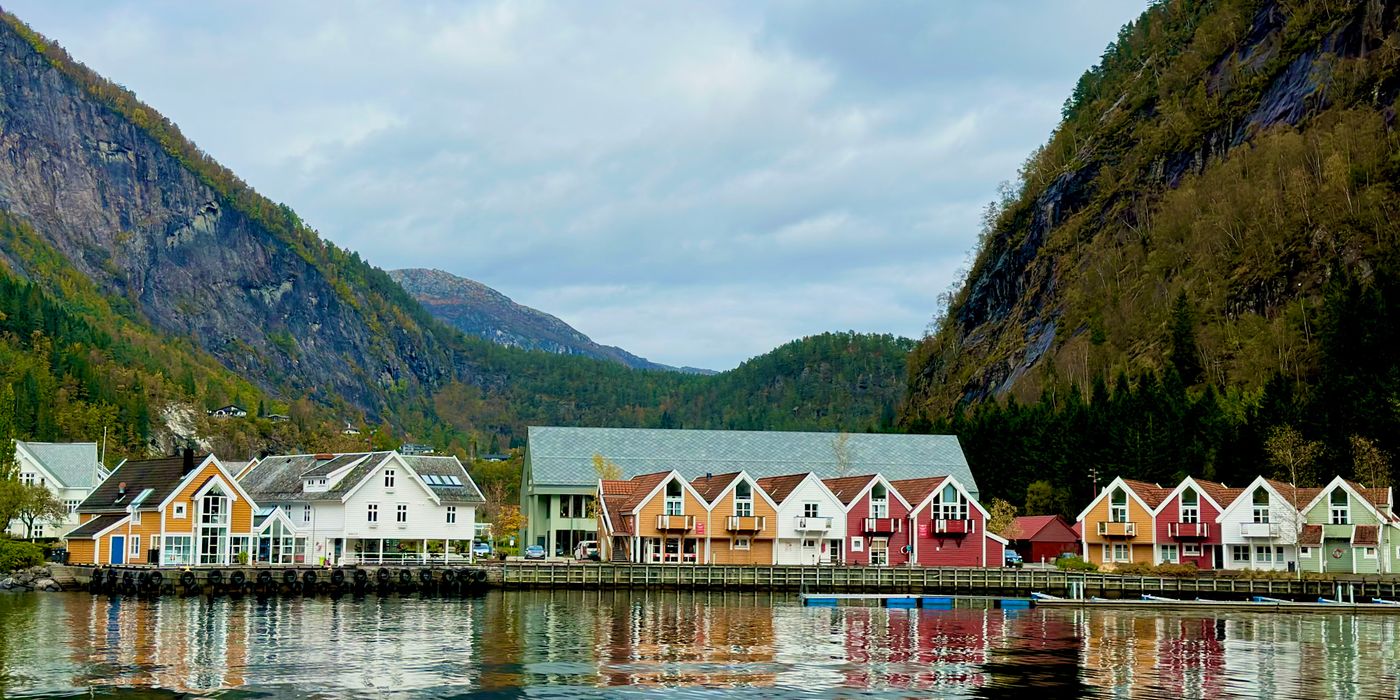
Searches for underrated destinations are up roughly 1,000 percent this spring compared to a year ago, according to several travel search trackers. Behind that number sits a simpler one. Last summer, large parts of southern Europe spent weeks above 40 degrees Celsius, and the people who sweated through it started planning differently.
The industry name for the result is the coolcation, a summer trip pointed deliberately north, up a mountain, or into the wind. It was a cute coinage two years ago. In summer 2026 it is measurably reshaping booking patterns, and it is changing what a good deal looks like.
What the Trend Actually Looks Like
A coolcation is not about suffering in a parka in July. The target zone is 18 to 25 degrees, long daylight, and water you can swim in if you are brave. In practice that means Scandinavia, the Baltics, the British Isles, the Alps, and the Atlantic islands.
Tour operators and booking platforms have reported double-digit growth in summer bookings to Norway, Finland, and Scotland for three consecutive years. Northern tourism boards, which used to market winter aurora trips, now run summer campaigns aimed squarely at Mediterranean refugees.

The Price Problem Nobody Mentions
Here is the part the trend pieces skip. The original coolcation destinations got popular, and their hotels noticed. Reykjavik, Tromso, and the Norwegian fjord towns now price July the way the Amalfi Coast prices June. A mid-range double in Bergen runs 200 to 260 dollars a night in peak summer 2026, and the famous Lofoten cabins book out by March.
The play in 2026 is the second wave. Same latitude, same weather, less brand recognition.
Five Second-Wave Coolcation Picks
The Scottish Highlands beyond Skye. Skye is saturated. The Cairngorms and the northwest coast around Torridon deliver the same scenery with guesthouses at 120 to 160 dollars a night. July averages 19 degrees.
Gdansk and the Polish Baltic coast. Hanseatic old town, white sand beaches, water in the low 20s by August, and four-star hotels under 120 dollars. The Tricity area is the best value beach-and-city combination in northern Europe right now.
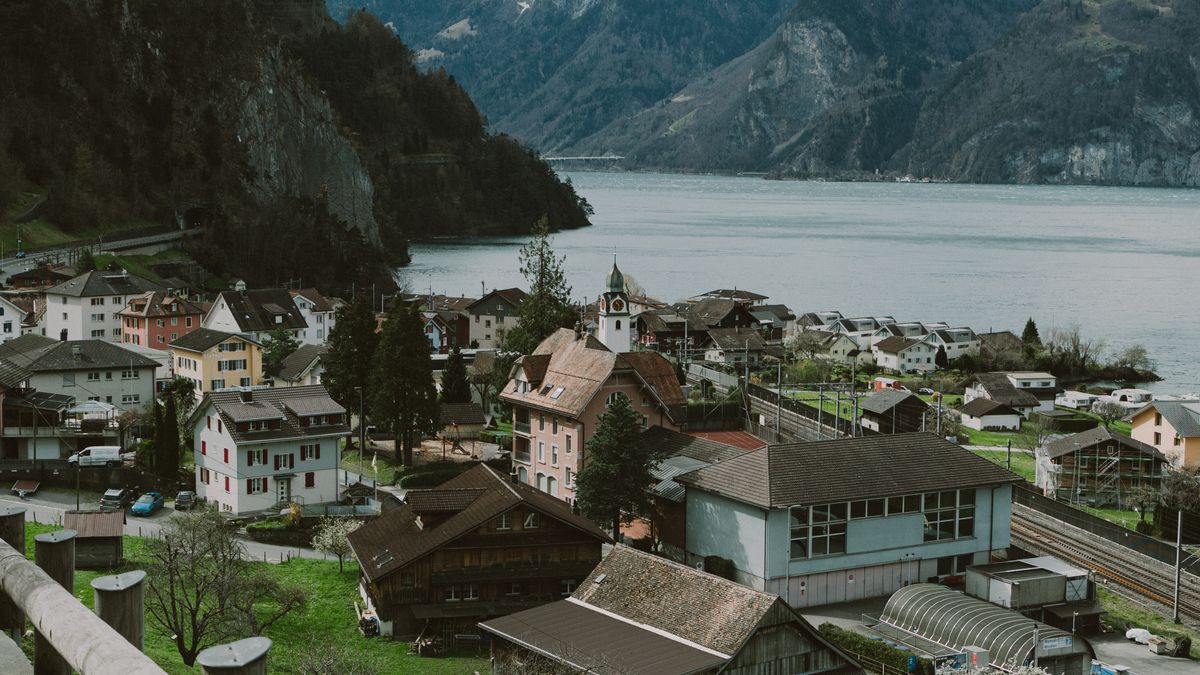
The Swiss and Austrian lake towns. Alpine lakes hit 22 to 24 degrees in summer, warm enough to swim. Towns like Spiez on Lake Thun offer the mountain summer at a fraction of the resort-town rate if you stay one lake over from the famous one.
The Azores. Mid-Atlantic, mid-70s Fahrenheit, green to an absurd degree. We published a full Sao Miguel itinerary earlier this month. Hotel rates remain well below mainland resort levels.
Slovenia and the Julian Alps. Bled gets the photos, but the whole Soca valley sits in the same cool mountain air. Our five-day Slovenia loop covers the route, and the price point is roughly half of what Austria charges across the border.
When the Heat Map Becomes a Price Map
The deeper shift is that summer weather risk is now priced into travel decisions the way hurricane season has always been priced into Caribbean trips. Travelers increasingly check historical July temperatures before booking Seville or Athens in August, and southern destinations have started discounting their hottest weeks to compensate.
That creates a strange symmetry. The Mediterranean in August is becoming a value play for heat-tolerant travelers, while the cool north charges a premium for its 20-degree afternoons. Five years ago that sentence would have read as a typo.
City alternatives follow the same logic. Our case for Ghent over Bruges was about crowds, but the temperature math works the same way. Northern European city breaks in summer carry close to zero heat risk, and the hotel stock is deep enough to keep prices sane.
Why This Is Not a Fad
Trends in travel usually decay in two or three seasons. This one has compounding forces behind it.
The first is simple recurrence. Southern Europe has now logged several consecutive summers with extended 40-degree stretches, and each one converts another cohort of travelers who swore off August in the Mediterranean for good. Surveys by European tourism bodies show a steady, measurable northward shift in summer intent among repeat visitors, strongest among families with young children and travelers over 60, the two groups heat affects most.
The second is that the industry has started building for it. Northern destinations are adding summer capacity, not just marketing. New hotel openings in Scotland, the Nordics, and the Baltics skew toward summer-season leisure properties, and ferry and rail operators have extended summer schedules that did not exist three years ago. Supply follows demand it believes in.
The third is the calendar shift at the southern end. Mediterranean destinations are responding by stretching their seasons outward, promoting May, June, September, and October as the real summer. If that succeeds, the south keeps its visitors but moves them, the north keeps its July premium, and the August coolcation becomes a permanent fixture of the travel year rather than a reaction to one bad heat wave.
None of this requires every traveler to change behavior. A few percentage points of August demand moving north is enough to reprice both ends of the continent, and that repricing is already visible in 2026 rate cards.
Booking a Coolcation Without Overpaying
Three rules. First, book the marquee names early or not at all. Norwegian fjord hotels and Icelandic guesthouses for July need a March booking. Second, shift one valley, one lake, or one fjord away from the famous anchor and rates drop 30 to 40 percent. Third, remember that northern shoulder seasons are long. June and late August in Scotland or the Baltics deliver the same temperatures as July with materially cheaper rooms.
One Honest Caveat
Northern weather is mild, not guaranteed. A Scottish July averages 19 degrees, and some of those days arrive sideways and wet. The Baltic can serve a 15-degree week in August. Travelers trading the certainty of Mediterranean sun for the comfort of northern temperatures are making a real trade, and the ones who enjoy it most pack a rain layer and book one or two indoor anchors, a distillery, a museum, a thermal spa, for the days the sky does not cooperate. The coolcation rewards flexibility. It punishes an itinerary built entirely on sunshine.
FAQ
What is a coolcation? A summer vacation chosen specifically for mild temperatures, typically in northern Europe, mountain regions, or Atlantic islands, as an alternative to traditional Mediterranean heat.
Where are the best coolcation destinations in 2026? Norway, Scotland, the Baltic coast, the Alps, and the Azores lead the category. The best value sits in second-wave spots like the Polish Baltic coast, the Cairngorms, and the Julian Alps.
Are coolcation destinations expensive? The famous ones increasingly are. Bergen and Reykjavik price July at 200 dollars plus a night in 2026. Less-known alternatives at the same latitude run 100 to 160 dollars.
Images: Hero by Sutha Hasan. Alpine lake town by Alina Rossoshanska. Both via Pexels. Glen Coe by JavierOlivares via Wikimedia Commons (CC BY-SA 4.0).



