Morocco in April: Why Spring Is the Best Time to Go
April is Morocco's sweet spot. Perfect weather, lower hotel prices than summer, and the country fully open before peak crowds. Here's what to know.

April is Morocco's sweet spot. The summer heat hasn't arrived yet, the rains have mostly cleared, and the country's peak tourist season hasn't fully kicked in. Temperatures in Marrakech sit around 25°C during the day. The Atlas Mountains are clear of snow. The Sahara is warm but not punishing. If you're trying to pick a month to go, this might be it.
We've tracked hotel prices across Morocco's most popular cities over the past few months, and the spring window consistently offers 20 to 30 percent better rates than July and August. A mid-range riad in the Marrakech medina that costs $140 in August runs $90 to $100 in April. That gap adds up across a week-long stay.

Marrakech First, Then Decide on the Rest
Most Morocco trips start in Marrakech, and that's the right call. The city is the easiest entry point, has the largest hotel supply, and gives you the best sense of what Morocco actually feels like before you head further afield.
The medina is where the experience is. This is the old walled city, a UNESCO World Heritage site, where the souks run in every direction and Djemaa el-Fna square transforms from a fruit stall market in the morning to a circus of food vendors, storytellers, and musicians after dark. Staying inside the medina means walking distance to all of it.
Riads are the accommodation category that makes Marrakech worth visiting. These are traditional courtyard houses converted into guesthouses, often with rooftop terraces and small plunge pools. Budget around $60 to $90 per night for a good mid-range riad with breakfast included. The more famous boutique properties like El Fenn and Riad BE start at $200. Royal Mansour starts at $800 and goes much higher.
If you want modern comforts and wider streets, Gueliz is Marrakech's newer district, about a 15-minute walk from the medina. Hotel prices here run 20 to 30 percent lower for equivalent quality. Most first-timers prefer the medina's atmosphere, but Gueliz makes sense for a longer stay or if you're noise-sensitive.
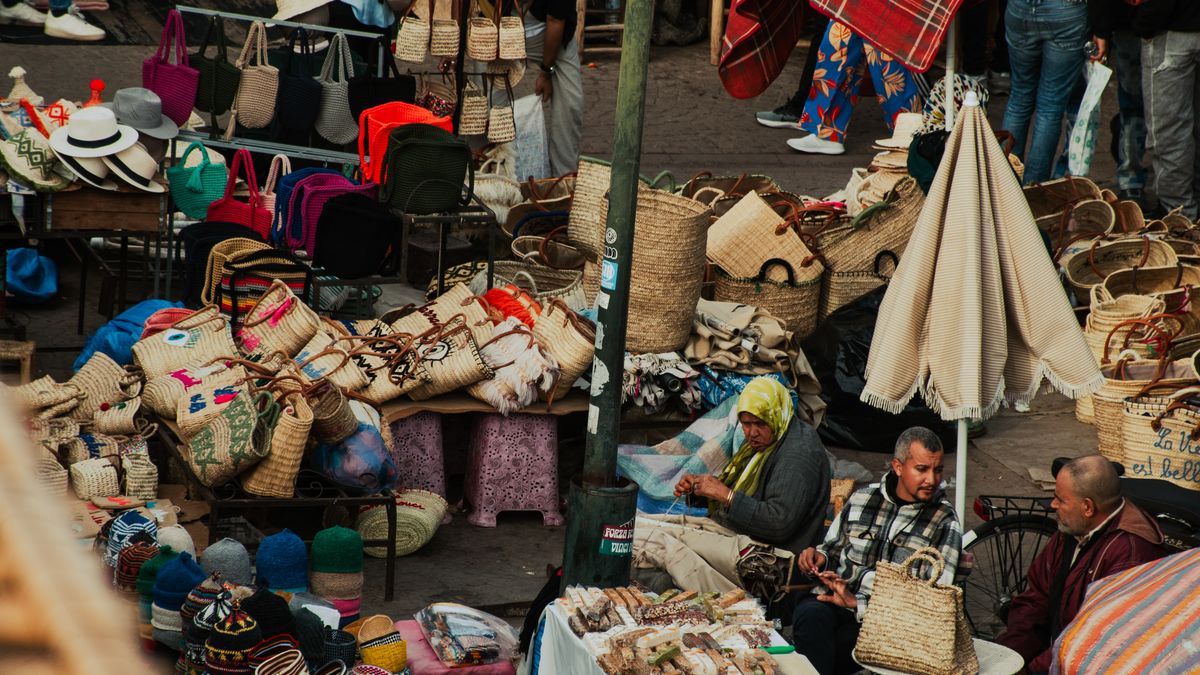
What to Do in Marrakech
Djemaa el-Fna at night is one of those travel experiences that lives up to the hype. Show up around 7pm when the food stalls are fully set up, pick a vendor based on the crowd rather than the most aggressive pitch, and eat standing at a communal table. Harira soup, merguez sausages, and lamb brochettes are all under $5 a plate.
The souks are best explored without a specific shopping agenda. The tanneries in the leather district are worth the trek even if you buy nothing. The spice market near Rahba Kedima is smaller and less chaotic than the main textile souks.
Majorelle Garden gets very crowded by 10am. Go when it opens at 8am in April and you'll have a genuinely peaceful 45 minutes before the tour groups arrive. A 10-minute taxi ride from the medina.
For a day trip, the Ourika Valley is 35 kilometers south of Marrakech and costs about $40 round trip by grand taxi. In April the river is running fast from snowmelt, the terraced fields above the valley are green, and the crowds are lighter than in summer.
Fes: The Better Case for a Second City
If your itinerary allows for more than just Marrakech, Fes is the more compelling cultural destination. The medina is larger, older, and far less touristy. Hotels run 15 to 25 percent cheaper than equivalent Marrakech properties. A flight from Marrakech to Fes takes 45 minutes and costs $30 to $60 with budget carriers.
The Fes el-Bali medina has about 9,000 streets and is genuinely easy to get lost in. The tanneries here are the ones that appear in most travel photography. Al-Qarawiyyin library, founded in 859 AD, is a five-minute walk from the tanneries.
Hotel-wise, riads in Fes run $50 to $80 per night for mid-range properties with breakfast. Book at least six weeks out for the better options.

What Morocco Actually Costs in April
Budget travelers can get through Morocco on $60 to $80 per day including accommodation, meals, and local transport. Mid-range travelers spending $150 to $200 per day get a private room in a good riad, sit-down restaurant meals, and occasional private taxis. Luxury travel starts around $400 per day.
Hotels are the biggest variable. Spring rates run 20 to 30 percent below summer peaks. Book at least six weeks in advance for the better medina riads since they have few rooms and fill quickly. If you're booking through Best, the 10% cashback on a $90-per-night riad over seven nights is $63 back. On a $150-per-night boutique property, that's $105 in cashback.
Internal transport is cheap. Grand taxis between cities run $8 to $15 per seat. Internal flights make sense only for longer routes when you're pressed for time.
Practical Things Nobody Tells You
April can have rain. Not much, but pack a light layer. Evenings in the medina drop to 12 to 15°C after the sun goes down, which surprises people who assume Morocco is always warm.
The touts and guides outside major attractions are persistent. A clear "la shukran" (no thank you) usually ends the conversation. Engaging at all, even to decline, extends it.
Most restaurants in the tourist-facing parts of the medina don't serve alcohol. The better hotels have bars. Gueliz has a wider selection of wine-serving restaurants.
Frequently Asked Questions
Is April too crowded in Marrakech? April is high season but the worst crowds come in July and August. Weekday mornings are noticeably quieter than weekends.
How many days do you need in Morocco? A week lets you do Marrakech properly with a day trip or two and a short Fes add-on. Three days in Marrakech alone feels rushed.
What are hotel prices like in Marrakech in April 2026? Budget hostel beds start around $15. Mid-range riads run $60 to $100. Boutique properties average $150 to $250.
Do you need a visa for Morocco? US, UK, and most EU passport holders can enter visa-free for up to 90 days.
Images: Koutoubia mosque by Adrien Olichon. Marrakech souk by Moussa Idrissi. Medina marketplace by Mohamed Hamza. All via Pexels, used under the Pexels License.