Tokyo Golden Week 2026: How to Travel Smart During Japan's Busiest Holiday
Golden Week in Tokyo means festivals, perfect weather, and yes — crowds. Here's how to navigate it smartly, from the best neighborhoods to skip the queues to day trips worth your time.
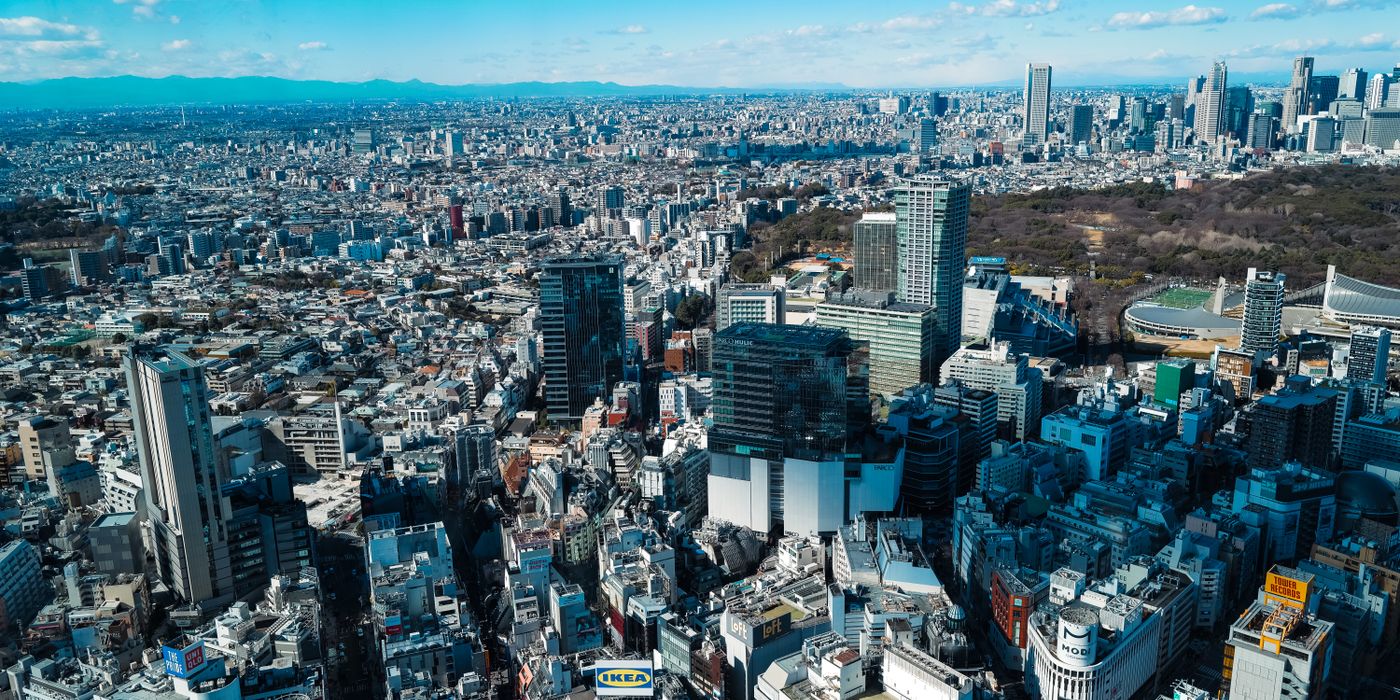
Tokyo during Golden Week is one of those trips that sounds intimidating until you actually plan it. Yes, crowds are real. Yes, some places get packed. But the energy across the city from late April through early May is unlike anything we've seen in Japan — or anywhere else. Cherry blossoms have faded, temperatures hover around 20°C, and the city runs a full schedule of festivals, pop-ups, and neighborhood events. We've put together this guide so you know exactly where to go, what to skip, and how to move through the week without burning out.
What Golden Week Actually Is
Golden Week runs from April 29 through May 5 each year, combining four national holidays: Showa Day, Constitution Day, Greenery Day, and Children's Day. Most Japanese workers take the full week off, which means Tokyo simultaneously empties into the countryside and fills up with domestic travelers from other regions. The result is a city that feels both festive and strangely intimate in certain neighborhoods, while tourist hot spots hit peak density.
For international visitors, this is actually a great time to come. Prices at hotels and airlines tend to spike, so book at least 6 weeks out. But the city programs more events during Golden Week than almost any other period, and the late-April weather — low humidity, bright sun, minimal rain — makes outdoor exploring genuinely comfortable.

Neighborhoods to Prioritize
Shinjuku and Shibuya stay busy all week, so we recommend using them as evening destinations rather than daytime bases. Instead, center your daytime explorations in neighborhoods that reward slower movement. Yanaka in the north is one of the few areas of Tokyo that survived WWII bombings — its old shotengai (shopping street) and temple-dotted alleyways feel more like 1960s Japan than 2026. Shimokitazawa in the southwest draws a younger crowd with independent record shops, vintage clothing, and coffee spots that rarely see long lines even during peak season.
Koenji is worth a half-day for anyone interested in subcultures. The neighborhood has one of Tokyo's biggest and most chaotic flea markets during Golden Week — thousands of stalls spread across multiple blocks, selling everything from military surplus to hand-thrown ceramics. It starts around 10am and winds down by 4pm, so arrive before noon for the best selection.
Day Trips That Make Sense
Nikko is the default day trip recommendation, and for good reason — it's 2 hours from Shinjuku via the Tobu Nikko Line, the Toshogu Shrine complex is genuinely spectacular, and the mountain scenery at this time of year still shows late-blooming cherry trees at higher elevations. Go on a weekday if your schedule allows, since weekends during Golden Week see long queues at the main gate.
Kamakura is closer (about 55 minutes from Shinjuku via the Shonan-Shinjuku Line) and less crowded than it will be in summer. The Great Buddha at Kotoku-in is the obvious anchor, but the hike along the Tenen Trail connecting Kamakura and Zushi is where you'll actually want to spend the afternoon. It's a 90-minute trail through cedar forest with views over Sagami Bay that most visitors miss entirely.
Skip Hakone during Golden Week unless you've already booked a ryokan 2 months in advance. It's one of the most popular domestic tourism destinations in Japan, and wait times for the cable car and cruise can eat 3 hours alone.

Where to Eat Without the Wait
Many Golden Week visitors make the mistake of targeting the most famous ramen shops and sushi counters, then losing half a day in queues. The better move is to go one tier below the headlines. Walk into any basement food hall (depachika) in Isetan, Takashimaya, or Mitsukoshi around 11am — before the lunch rush hits — and you'll find counter seating at stalls serving food that rivals dedicated restaurants at a fraction of the wait.
Tsukiji Outer Market remains excellent for breakfast. The inner market moved to Toyosu, but the outer stalls — serving tamagoyaki, fresh tuna, oysters, and tamago sushi — still draw serious food people and not just tourists. Get there before 9am. By 10:30 the crowd becomes genuinely difficult.
For dinner, the izakayas in Ebisu and Meguro that don't appear on international review sites rarely have waits longer than 20 minutes even during Golden Week. Ask your hotel concierge for a neighborhood recommendation rather than a famous name recommendation — the distinction matters.
Practical Moving Around
The IC card system (Suica or Pasmo, both available at airport vending machines) works on every subway, JR train, bus, and most convenience stores. Load 3,000–5,000 yen to start. Don't buy a rail pass unless you're doing 4 or more day trips — within Tokyo, the IC card is both cheaper and faster than pass calculations.
Taxis via the Go app or S.RIDE work well late at night when trains stop running (typically around midnight, though some lines run until 1am during Golden Week). Uber exists but surge pricing during high-demand periods makes IC card trains the obvious choice for all daytime movement.
What to Book in Advance
Three things need advance booking: your hotel (minimum 6 weeks, ideally 10), any restaurant with a tasting menu or omakase format, and Ghibli Museum tickets if that's on your list. The museum sells tickets only through the Lawson ticket portal, only for specific time slots, and they release monthly batches that sell out within hours. Check the release calendar on the museum website and set a reminder.
Everything else — shrines, parks, neighborhoods, day trips, standard restaurants — can be done without reservations. Tokyo is one of the most walk-up-friendly major cities in the world outside of restaurant tasting menus and a handful of ticketed attractions.
How Best Helps With the Hotel Part
Hotels in Tokyo during Golden Week run 30–60% higher than off-peak rates, and resort fees and booking surcharges vary significantly between platforms. We built Best to show the full cost of each hotel option — including platform fees, taxes, and any mandatory charges — before you commit. Compare the same property across booking platforms in one view and keep the cashback you'd otherwise leave on the table. For a trip to Tokyo in late April, that difference is often $80–120 on a 5-night stay.
Our hotel search pulls live rates from across the major booking platforms, so you're always seeing current Golden Week pricing rather than outdated list rates.
Images: Aerial Tokyo skyline photo by Aleksandar Pasaric (Pexels ID 31298879); Shibuya crossing photo by Pexels (ID 31407147); Tokyo cityscape at night by Pexels (ID 20378132). All via Pexels, used under the Pexels License.